Prehistoric builders transported Devil's Arrows 11 miles
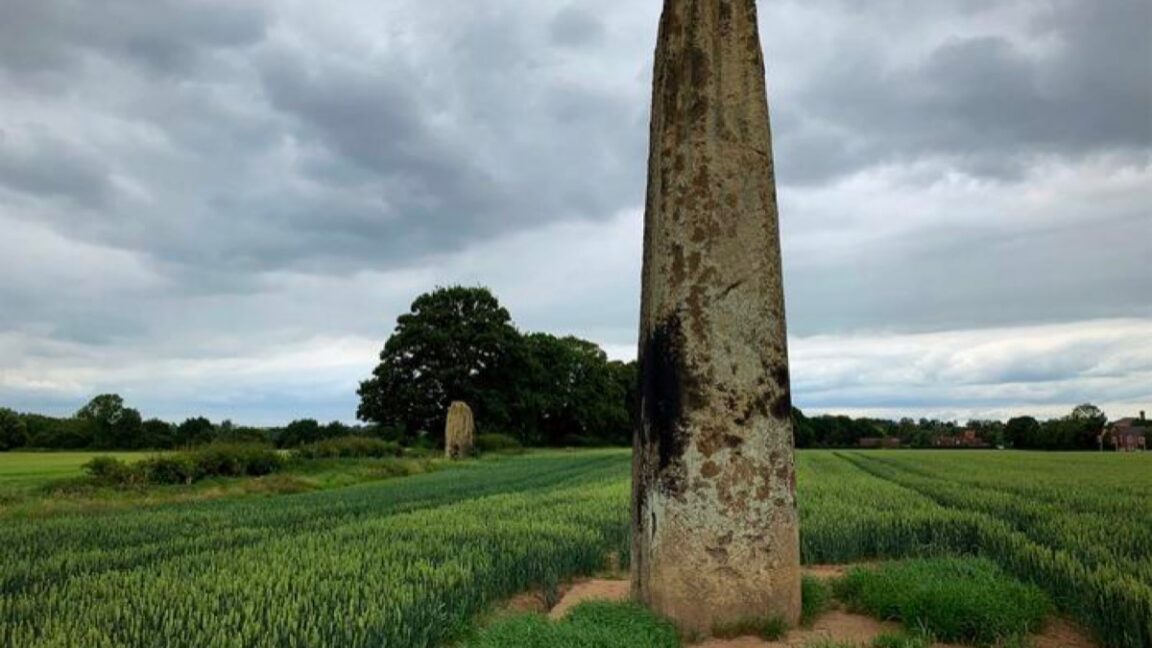
Isotropic analysis revealed the most likely source to be Brimham Rocks, not the nearby Plumpton Rocks.
The recent revelation that the Devil's Arrows, a series of three large standing stones in North Yorkshire, were transported 11 miles from their original source is a fascinating example of the ingenuity and capabilities of prehistoric builders. The use of isotropic analysis to determine the origin of the stones highlights the increasingly important role that technology plays in uncovering the secrets of the past.
This discovery has significant implications for our understanding of the construction and transportation of large stone structures during the prehistoric era. The fact that the builders were able to transport the stones from Brimham Rocks, rather than the more proximate Plumpton Rocks, suggests that they may have had a specific reason for choosing this particular source, possibly due to the quality or appearance of the stones. This finding also underscores the complexity and organization of prehistoric societies, which were capable of undertaking large-scale projects that required significant planning and resources.
As we continue to learn more about the capabilities and achievements of prehistoric builders, it's likely that we'll see further applications of technologies like isotropic analysis in the field of archaeology. To watch next: the potential for similar analyses to be applied to other prehistoric stone structures, and the insights that these studies may provide into the social, cultural, and technological developments of early human societies.
Originally reported by arstechnica.com. DNSNews adds analysis for ai & agent economy readers.