CDC reported then deleted two measles deaths that were questioned by RFK Jr.
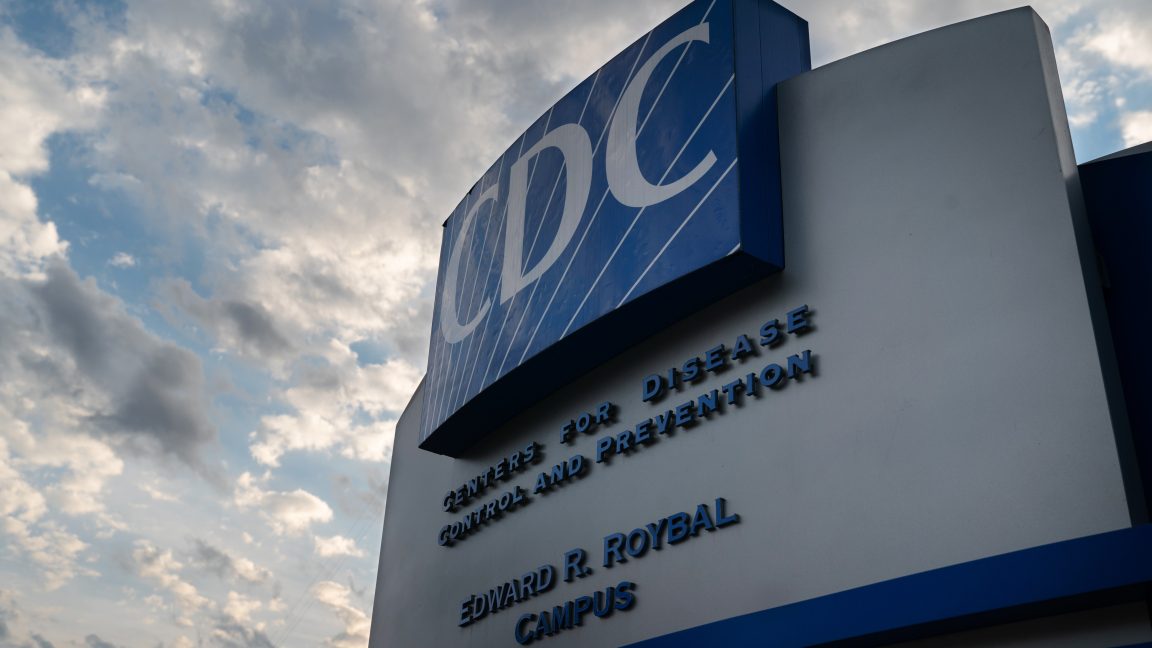
Historically, state health departments determine cases and deaths, not the CDC.
The Centers for Disease Control and Prevention (CDC) recently made headlines after reporting and then deleting two measles deaths that were disputed by Robert F. Kennedy Jr., a well-known anti-vaccine advocate. This incident highlights the complexities of disease surveillance and the role of various stakeholders in reporting and verifying health data.
In the US, the process of tracking and reporting infectious diseases typically involves state and local health departments, which are responsible for investigating cases and reporting them to the CDC. The CDC's role is to aggregate and analyze data from these state and local reports, providing a national picture of disease trends. The fact that the CDC reported and then deleted the measles deaths suggests that there may have been questions about the accuracy or validity of the reports, possibly due to Kennedy's scrutiny.
As the DNS community continues to evolve, it's essential to consider the intersection of health data, AI, and agent economies. The reliability and integrity of health data are crucial for informing public health policy and decision-making. What's next to watch is how this incident might lead to increased scrutiny of disease surveillance methods and data validation processes, potentially driving innovation in areas like decentralized data tracking and AI-powered data analysis.
Originally reported by arstechnica.com. DNSNews adds analysis for ai & agent economy readers.